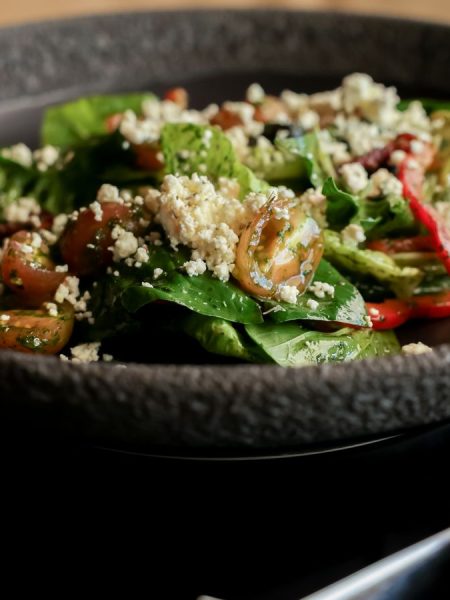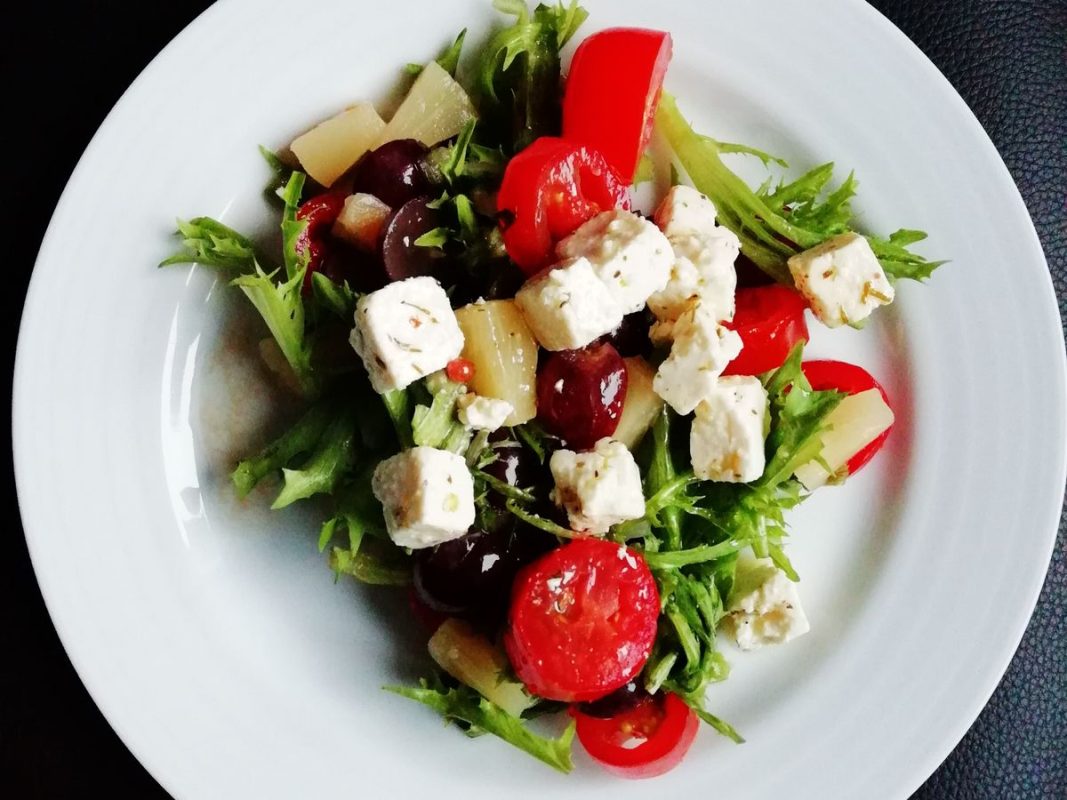

If you’re craving real Mediterranean flavor, this fresh classic greek salad recipe delivers it without unnecessary fuss. Here’s everything you need to make it right at home.
Greek Salad is a simple, refreshing combination of ripe tomatoes, cucumber, red onion, briny Kalamata olives, and creamy feta cheese, tossed in a light olive oil and oregano dressing.
Ready in about 15 minutes from start to finish, this beginner-friendly recipe makes 4 servings and comes together with 9 everyday ingredients. It’s the kind of Mediterranean dish worth putting into regular rotation.
Why this recipe works:
- No lettuce, no filler — just ripe tomatoes, cucumber, olives, and feta the way it’s actually served in Greece.
- A simple olive oil and oregano dressing lets the fresh produce carry the flavor instead of masking it.
- Zero cooking required, so it’s an easy win even for a total beginner, ready in 15 minutes.
- Makes 4 servings and scales up effortlessly for a barbecue or potluck.
✅ Quick Tip: For the most authentic version, use a thick slab of feta on top rather than crumbling it into the salad. Since there’s no cooking to mask imperfections, use the best quality, freshest ingredients you can find here.
Serving Suggestions: Serve alongside grilled chicken or lamb, or with warm pita bread as a light lunch.
Fresh Classic Greek Salad
Ingredients:
Instructions
-
Before you start, gather and prep all 9 ingredients listed above - wash, chop, measure, and have everything within reach.
-
Combine tomatoes, cucumber, red onion, and olives in a large bowl.
-
Whisk together olive oil, red wine vinegar, oregano, salt, and pepper.
-
Pour the dressing over the vegetables and toss gently to combine.
-
Top with feta cheese, either sliced in a slab or crumbled over the top.
-
Taste and adjust the seasoning with more salt, acid, or spice as needed before serving.
-
Finish with an extra drizzle of olive oil and a sprinkle of oregano before serving.
-
Garnish as desired and serve promptly for the best texture and flavor from your Fresh Classic Greek Salad.
Nutrition Facts
Servings 4
- Amount Per Serving
- Calories 210kcal
- % Daily Value *
- Total Fat 17g27%
- Saturated Fat 6g30%
- Cholesterol 25mg9%
- Sodium 650mg28%
- Total Carbohydrate 10g4%
- Dietary Fiber 2g8%
- Sugars 5g
- Protein 7g15%
* Percent Daily Values are based on a 2,000 calorie diet. Your daily value may be higher or lower depending on your calorie needs.
Note
For the most authentic version, use a thick slab of feta on top rather than crumbling it into the salad. Since there's no cooking to mask imperfections, use the best quality, freshest ingredients you can find here.
Frequently Asked Questions
Can I add lettuce to a Greek salad?
Traditional Greek salad doesn't include lettuce, but you can add it for extra bulk if preferred.
Can I make this ahead of time?
It's best made fresh, but you can chop the vegetables ahead and dress the salad just before serving to avoid sogginess.
What can I substitute for feta?
A mild, salty cheese like queso fresco works in a pinch, though the flavor won't be quite the same.