
Blog
Comfort Food Classics That Never Go Out of Style

Trends move quickly through food media, but a small set of dishes has stayed on menus and in home kitchens for generations, largely untouched by whatever’s currently popular. Comfort food earns its staying power not through novelty but through reliability — these are dishes that work the same way every time, built on technique rather than trend. Here’s what makes each of these classics endure, beyond simple nostalgia.
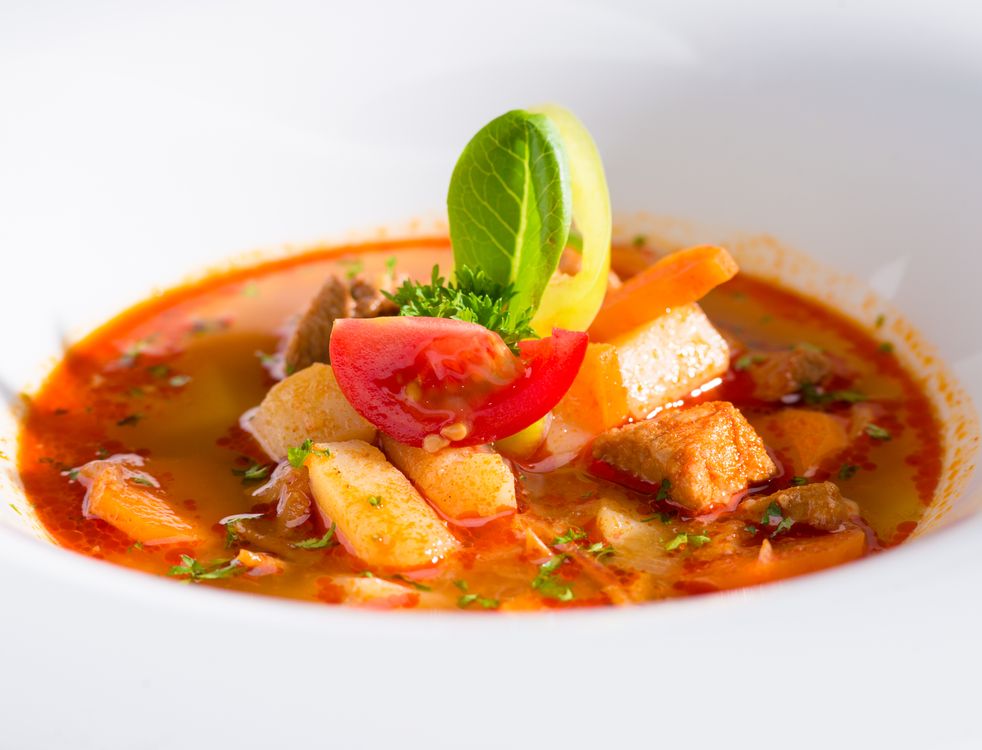
A good pot of soup
Soup’s durability comes from its structure: a well-built stock or broth as the base, aromatics for depth, and whatever protein or vegetables are on hand layered in afterward. That flexibility means soup adapts to what’s seasonal or leftover without losing its identity as a dish, and long, slow simmering breaks down collagen in bone-in cuts into gelatin, which is what gives a good broth its body rather than just its flavor.
Mac and cheese
The technical foundation of a good mac and cheese is a proper béchamel — butter and flour cooked together briefly, then thinned with milk before cheese is melted in gradually off direct heat. Adding cheese too early or over heat that’s too high causes the proteins to seize and the sauce to break into a grainy, oily mess, which is the most common reason homemade versions fall short of the version everyone remembers from childhood.
Slow-braised meat
Braising works by cooking tough, collagen-rich cuts low and slow in liquid, typically at 300°F to 325°F for several hours, until that collagen converts to gelatin and the connective tissue that made the cut tough in the first place becomes what makes it tender. It’s a technique that rewards inexpensive cuts specifically — chuck, short rib, lamb shank — cuts that would turn out tough and dry cooked quickly at high heat.
Mashed potatoes
The difference between gluey and silky mashed potatoes comes down to starch management: overworking potatoes after mashing releases excess starch and creates a gummy texture, which is why professional kitchens use a ricer or food mill rather than a hand mixer. Warming the milk and butter before incorporating them, rather than adding them cold, also keeps the potatoes from seizing and turning starchy.
A simple stir-fry
Stir-frying depends on extremely high, consistent heat and constant motion, which is why a wok’s shape and a home range’s typically lower output changes the result more than most recipes account for. Preheating the pan until it’s genuinely smoking hot, cooking in small batches rather than crowding the pan, and having every ingredient prepped before you start cooking are what separate a good stir-fry from a steamed, soggy one.
Grilled cheese and tomato soup
The pairing works on a simple principle: fat and acid. The richness of butter and melted cheese is balanced by the acidity of tomato soup, the same contrast that makes a wine pairing work. Cooking grilled cheese over medium-low heat rather than high heat is the key technical detail — it gives the cheese time to fully melt before the bread over-browns.
Why these dishes last
None of these dishes depend on rare ingredients or elaborate technique — what they share is a small number of correct decisions, made consistently, that separate a good version from a disappointing one. That reliability, more than nostalgia alone, is why they’ve stayed in rotation for generations and are likely to stay there for a long time yet.