

If you’re craving real Thai flavor, this classic street-style pad thai recipe delivers it without unnecessary fuss. Here’s everything you need to make it right at home.
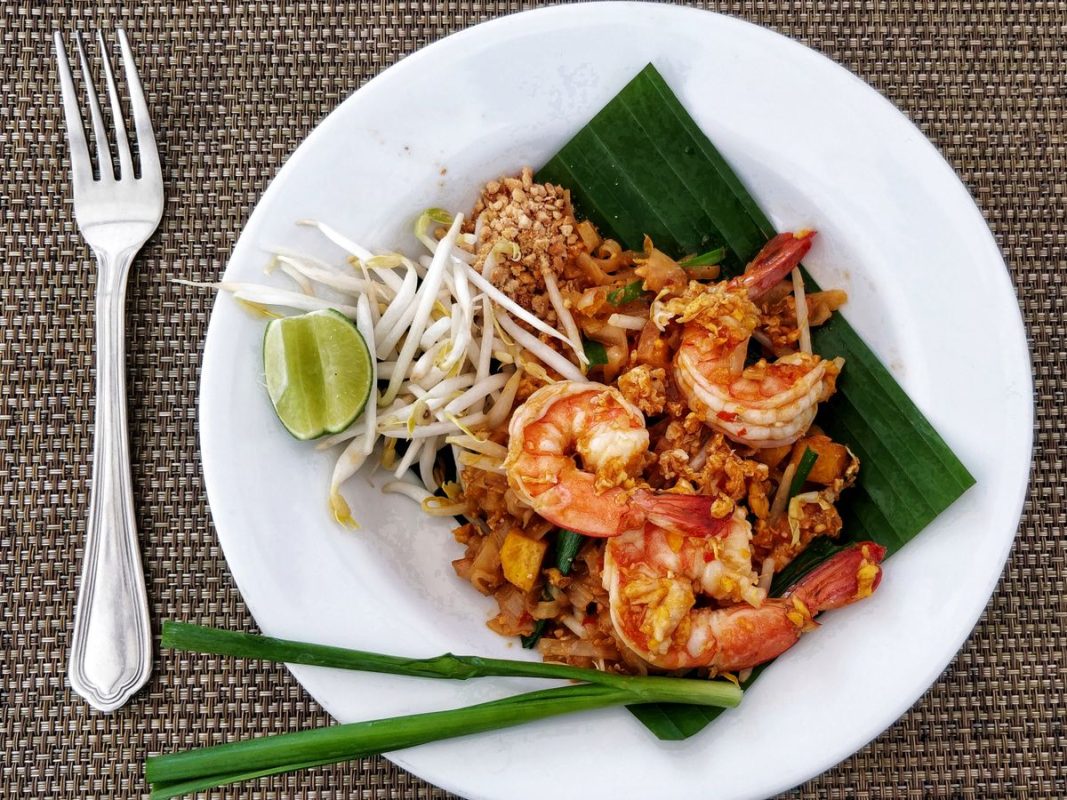
Pad Thai is Thailand’s most famous noodle dish, combining stir-fried rice noodles, shrimp, egg, and bean sprouts in a sweet, tangy, and savory tamarind-based sauce, topped with crushed peanuts.
Ready in about 35 minutes from start to finish, this intermediate-friendly recipe makes 4 servings and comes together with 12 everyday ingredients. It’s the kind of Thai dish worth putting into regular rotation.
Why this recipe works:
- A real tamarind-based sauce gives the sweet-tangy-savory balance that sets authentic pad Thai apart from ketchup-based versions.
- Soaking the noodles just until pliable keeps them from turning mushy once they hit the hot wok.
- Juggling noodles, protein, and sauce at high heat is what makes this intermediate, ready in about 35 minutes.
- Makes 4 servings, best served immediately while the noodles are still hot and glossy.
✅ Quick Tip: Soak the rice noodles until just pliable but not fully soft — they’ll finish cooking in the wok and can turn mushy if oversoaked. Have every ingredient prepped and within reach before you start — stir-fries move fast and there’s no time to chop mid-cook.
Serving Suggestions: Serve immediately with extra lime, crushed peanuts, and chili flakes on the side.
Classic Street-Style Pad Thai
Ingredients:
Instructions
-
Before you start, gather and prep all 12 ingredients listed above - wash, chop, measure, and have everything within reach.
-
Soak the rice noodles in warm water for 20-30 minutes until pliable.
-
Drain.
-
Whisk together fish sauce, tamarind paste, and brown sugar to make the sauce.
-
Heat oil in a wok over high heat.
-
Cook the shrimp for 2 minutes until pink.
-
Push to one side.
-
Crack the eggs into the empty space and scramble briefly.
-
Mix with the shrimp.
-
Add garlic and the drained noodles, tossing well.
-
Pour in the sauce and stir-fry for 3-4 minutes until the noodles are tender and coated.
-
Add bean sprouts and green onions, tossing for another minute.
-
Taste and adjust the seasoning with more salt, acid, or spice as needed before serving.
-
Serve topped with crushed peanuts and lime wedges.
-
Garnish as desired and serve promptly for the best texture and flavor from your Classic Street-Style Pad Thai.
Nutrition Facts
Servings 4
- Amount Per Serving
- Calories 430kcal
- % Daily Value *
- Total Fat 16g25%
- Saturated Fat 2g10%
- Cholesterol 220mg74%
- Sodium 890mg38%
- Total Carbohydrate 48g16%
- Dietary Fiber 2g8%
- Sugars 12g
- Protein 26g52%
* Percent Daily Values are based on a 2,000 calorie diet. Your daily value may be higher or lower depending on your calorie needs.
Note
Soak the rice noodles until just pliable but not fully soft - they'll finish cooking in the wok and can turn mushy if oversoaked. Have every ingredient prepped and within reach before you start - stir-fries move fast and there's no time to chop mid-cook.
Frequently Asked Questions
Can I use chicken instead of shrimp?
Yes, sliced chicken breast works well - cook it through before adding the eggs and noodles.
What can I substitute for tamarind paste?
A mix of lime juice and a touch of brown sugar can approximate the tangy-sweet flavor if tamarind isn't available.
Can I make this vegetarian?
Yes, use tofu instead of shrimp and substitute soy sauce for fish sauce for a vegetarian version.