

Blog
Essential Spices Every Home Cook Should Own

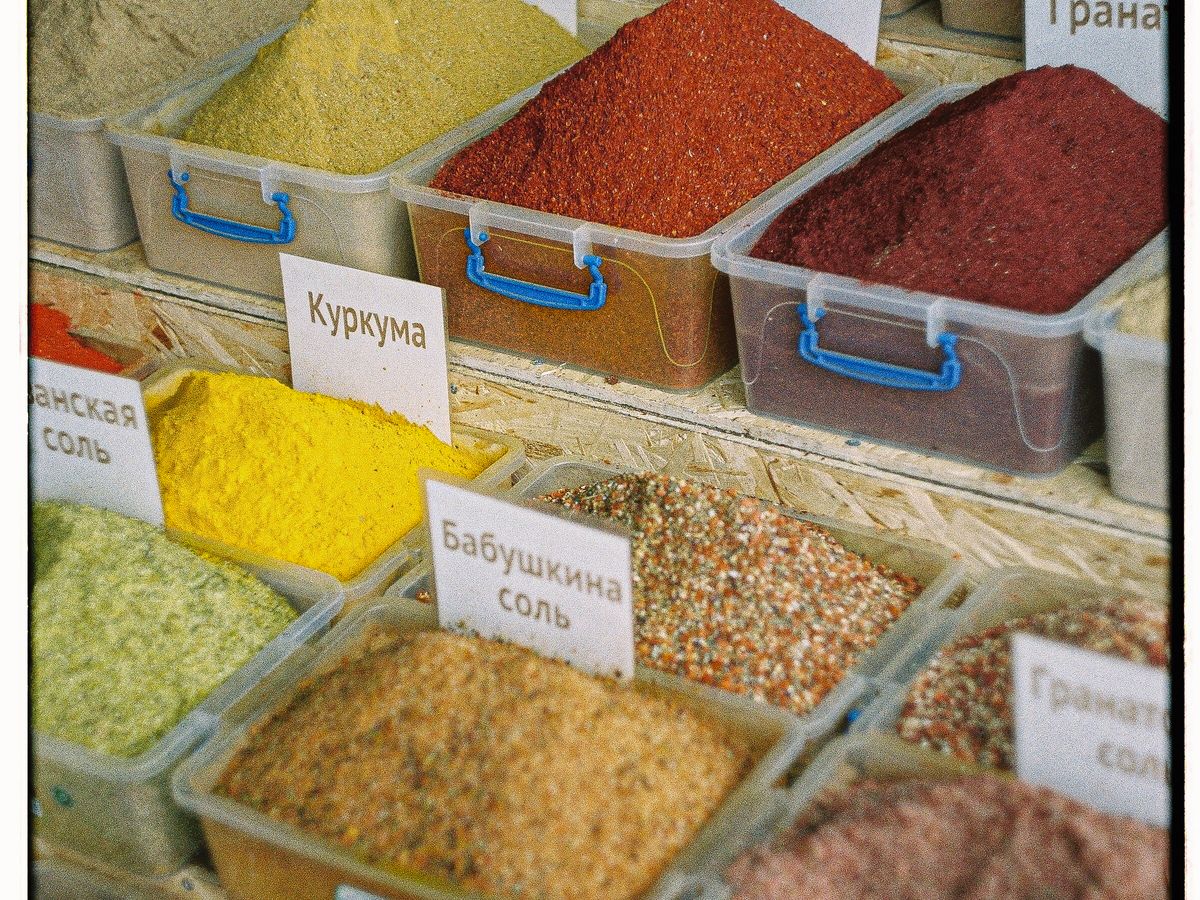
You don’t need an overflowing spice rack to cook well — you need a small set of spices used often enough that they never go stale, stored properly, and replaced on a schedule. A tight pantry of seven or eight spices, understood well, will outperform forty half-used jars every time. Here’s what earns a permanent spot, and the technical reason each one works.
Cumin
Cumin’s flavor comes from cuminaldehyde, a compound that’s fat-soluble — which is why toasting whole cumin seeds in a dry pan for 60 to 90 seconds before grinding releases significantly more aroma than using pre-ground cumin straight from the jar. It anchors chili, curries, and roasted vegetables, and pairs naturally with coriander and smoked paprika.
Smoked paprika
True smoked paprika (pimentón) is made from peppers slow-smoked over oak, not just dried and ground — that distinction is why it delivers real smokiness rather than the muted, dusty flavor of sweet paprika. It’s a fat-soluble spice, so blooming it briefly in warm oil before adding other ingredients pulls out more of its color and flavor than adding it dry at the end.
Garlic powder
Garlic powder isn’t a lesser substitute for fresh garlic — it’s a different tool with a different job. Fresh garlic browns and can turn bitter under high, prolonged heat; garlic powder disperses evenly through a dry rub or marinade without that risk, which is why it’s standard in barbecue rubs and spice blends rather than a shortcut for lazy cooks.
Ground coriander
Coriander seed carries a citrusy, slightly floral note that’s structurally different from cumin despite the two being sold side by side and often confused. It’s foundational in Indian, Mexican, and Middle Eastern cooking specifically because it rounds out heavier, earthier spices without competing with them — used well, it disappears into a dish rather than announcing itself.
Red pepper flakes
Because red pepper flakes are dry, they let you calibrate heat incrementally without adding the liquid or acidity that hot sauce brings with it. Toasting a small amount in oil before adding other ingredients — a technique borrowed from Italian cooking — extracts more capsaicin and produces a rounder, less sharp heat than adding the flakes raw.
Turmeric
Turmeric’s curcumin compound is fat-soluble and far more bioavailable when paired with a small amount of black pepper, which is why the two are so often used together in South and Southeast Asian cooking — it’s not tradition alone, it’s chemistry. Use it sparingly; it stains readily and its flavor turns bitter in excess.
Whole black peppercorns
Pre-ground pepper loses most of its volatile aromatic compounds within weeks of grinding, which is why professional kitchens grind pepper to order. A basic pepper mill is one of the lowest-cost upgrades available to a home kitchen, and the difference is immediately noticeable on something as simple as a fried egg.
Storage and rotation
Ground spices lose potency far faster than most people expect — often within six months to a year, well before any printed expiration date. Heat, light, and moisture all accelerate the breakdown of aromatic compounds, so spices should be stored in a cool, dark cabinet rather than in a rack mounted next to the stove, however convenient that placement looks. If a spice has faded in color or barely smells like anything when the jar is opened, it’s no longer doing its job — replace it rather than compensating with a larger quantity.