
Blog
Meal Prep Made Easy: A Beginner’s Guide

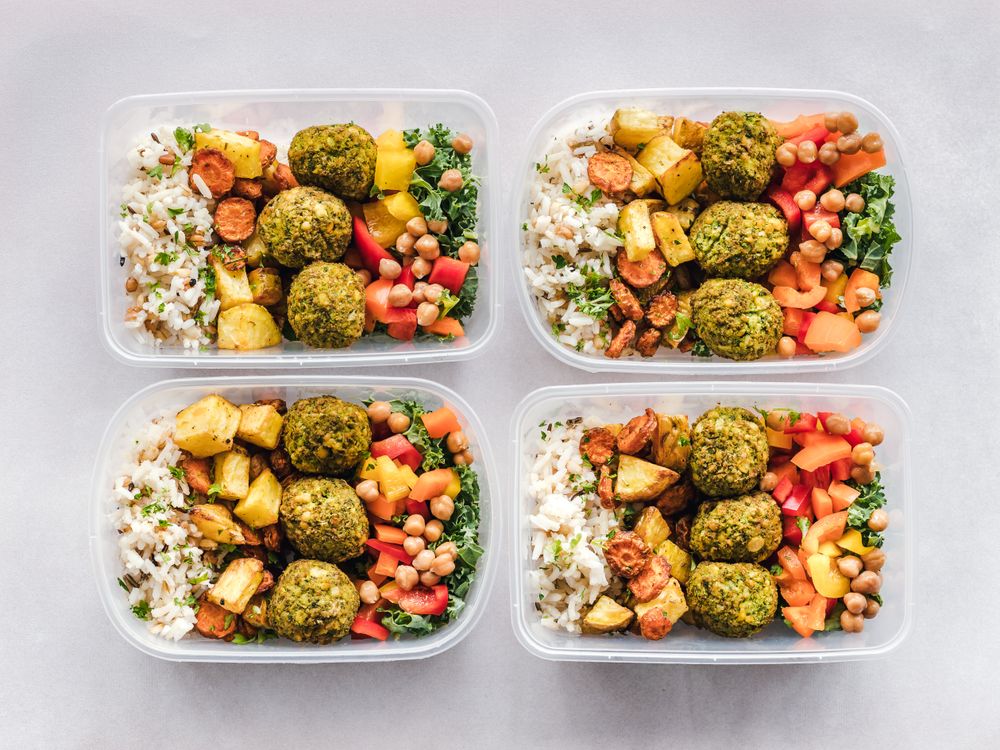
Meal prep has a reputation for being a big commitment, but the version that actually works looks nothing like the elaborate spreads shown online. Effective meal prep is a system, not a performance — a small set of repeatable habits that reduce weeknight decision-making rather than an entire week of identical containers. Here’s how to build a version that actually survives contact with a busy week.
Prep components, not finished meals
The most durable meal prep systems separate proteins, grains, and vegetables and combine them fresh each day rather than assembling five identical meals in advance. A batch of roasted chicken, a pot of rice, and a tray of roasted vegetables can become a grain bowl, a wrap, or a stir-fry depending on what sauce or seasoning you add that day — the same base ingredients, four different meals, without the fatigue of eating the exact same dish repeatedly.
Slightly undercook vegetables intentionally
Vegetables continue cooking from residual heat after they’re removed from the pan, and they cook again — more aggressively — when reheated later in the week. Pulling them off the heat while still slightly firm, rather than fully tender, accounts for that second round of cooking and prevents the gray, mushy texture that makes reheated vegetables unappealing by day three or four.
Match storage to shelf life
Not every component holds up equally well. Roasted proteins and cooked grains generally keep well for four to five days refrigerated; delicate vegetables like leafy greens degrade fastest and are better added fresh at serving time rather than prepped in advance. Freezing in individual portions extends shelf life significantly for soups, stews, and braises — dishes that, if anything, taste better a day or two after cooking as the flavors continue to develop.
Keep sauces and dressings separate until serving
Sauce holds moisture, and moisture is what breaks down texture over time — it’s the same principle behind why a salad wilts once dressed. Storing sauces, dressings, and anything acidic in a small side container and combining it only at the moment of eating preserves texture through the entire week, at the cost of a few extra seconds of assembly.
Invest in the right containers
Glass containers with silicone-sealed lids outperform basic plastic for meal prep specifically because they don’t absorb odors or stain from ingredients like turmeric or tomato sauce, and they hold up to reheating without the risk of leaching that comes with repeatedly microwaving certain plastics. Stackable, uniform sizes also make the difference between a fridge that’s organized and one that’s a losing game of container Tetris.
Build a two-hour rhythm, not a marathon
Trying to prep an entire week of varied meals in one session is what causes most people to abandon meal prep after the first attempt. Two recipes, prepped in about two hours on a weekend, is enough to noticeably reduce weeknight cooking time without turning your Sunday into a full shift in the kitchen. Once that smaller rhythm becomes automatic, expanding to more recipes or adding breakfast and snack prep becomes a natural next step rather than a leap.
The real goal
Meal prep isn’t about eating identically all week — it’s about removing decision fatigue on the days you have the least energy to cook. A well-designed system built around components, proper storage, and realistic portions will save more time and taste better by Thursday than an ambitious plan abandoned by Tuesday.